

The Many Names of Diwali
By: Tanmeet Bahia
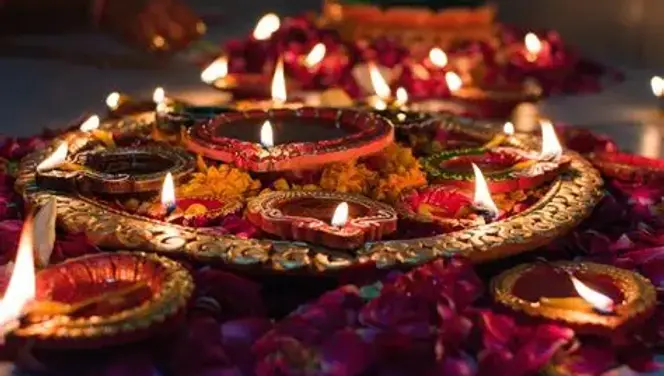
Diwali is the Festival of Lights, or at least that’s what it’s most known for but, did you know that it’s celebrated for different reasons depending on your religion.
In Hinduism Diwali or Deepavali has been around since the 3rd Century CE when it was called Yaksharartri (Night of the Yakshas). The holiday usually happens in October or November and spans across five days following the lunar calendar so that the third day of festivities lands on Amayasva (new moon). Reasons for celebrating Deepavali differ, for some it’s because of the return of Shri Ram, Devi Sita, Lakshmana and Hanuman after years of exile following the defeat of Ravan, the King of Demons. For others it may be because it’s considered the birthday of the Goddess Ma Lakshmi or her wedding day with Shri Vishnu (The Protector). During Deepavali people go to Mandhars to pray, light up diyas, decorate their houses in intricate rangoli designs by using sand, flower petals, coloured rice and powders,they give gifts, eat sweets, dress up in new clothing, clean their houses, gamble for wealth and set off fireworks.
However in Sikhi, Diwali takes on the name of Bandi Chhor Divas which happened much later in history, during the early 1600s. Similar to Deepavali, Bandi Chhor Divas also happens in either October or November as it follows the Lunar calendar as well; the only difference is that there is only one reason for its celebration. Bandi Chhor Divas is called the Day of Liberation which is exactly what the Sixth Guru, Shri Guru Hargobind Sahib Ji, did during the autumn of 1619. To sum up the story, the emperor, Jahangir, and Guru Hargobind Sahib Ji became good friends after they saved the emperor from being killed by a lion on a hunting trip but, people became jealous of the sixth Guru’s close relationship, specifically a man by the name Chandu Shah. He had already had a hand in the murder of Guru Hargobind Sahib Ji’s father, Guru Arjun Dev Ji and had since been keeping an eye on them. Chandu Shah convinced the emperor to send Guru Hargobind Sahib Ji to Gwalior Fort where they met 52 Rajput princes who had been held captive which is the predicament they found themselves in as well. Eventually they had been freed but Guru Hargobind Sahib Ji refused unless the princes were allowed out as well to which they were given a condition: all of them must hold onto the Guru’s chola. And so they had 52 cholas added to their clothing to get out all the princes which they succeeded in doing. Later when Guru Hargobind Sahib Ji made it back to Amritsar, Diwali was being celebrated but after seeing their Guru, diyas were lit for them too. Nowadays most people eat sweets, wear new clothes, pray at Gurdwaras, decorate homes in lights and of course, light diyas.
Even though both religions celebrate Diwali, the reasons and ways they celebrate are different.