

Chile and Lithium: How the temporary closure of a mine in one of the biggest Lithium producing countries shows cracks in the metals future.
By: Dipasha Dayani
The problem at hand.
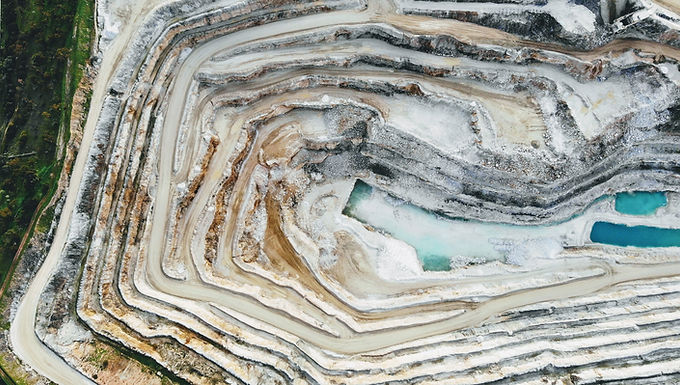
SQM and CODELCO agreed in January 2023, where SQM handed the majority stake of their Chilean salt brine mines to the company, to expand the operations of the Atacama desert salt flat for 30 more years. However, Lithium mining in this region has caused a water shortage. People living in the surrounding San Pedro de Atacama region, including the Indigenous Lickan Antay community, talk of lost water supplies affecting farming practices and other aspects of their lives. Many in the Colla community, a region where the indigenous reside, used to exist as a nomadic group, staying in and around the mountains. Nowadays, most of this community lives in the city of Copiapó, as they have become unable to continue their traditional ways due to the lack of water and constant drought. This expansion threatens to further and worsen these problems, further stealing away basic resources from the residents.
To add further, The indigenous people in the Atacama region were not told about this agreement to expand the Lithium mines, even though President Gabriel Boric emphasized the importance of hearing the concerns of many indigenous groups on issues they may be facing.
Protest and resolution
On January 10th, protests and roadblocks by the people in the Atacama region roads leading to the mine successfully stopped the movement of goods both ways. Their main goal was to prompt the president to go to the area, and further emphasize the importance of their voice in the matter. About 2 days later, the Atacama Indigenous Council announced that the protest had ended after the mining ministry assured them that the president would come to the area. Though this protest was short-lived, the residents of this region had just managed to temporarily shut down one of the biggest Lithium mines in the world.
Who are the SQM and CODELCO companies? And why Chile?
Sociedad Química y Minera (SQM) is the 2nd largest lithium mining company globally. Corporación Nacional del Cobre de Chile (CODELCO) is the world's biggest copper producer, and at the time of this agreement had been trying to acquire different lithium-based mines after a decrease in profit. In Australia, the CODELCO company bought an Australian mine for 244 million dollars (USD) or 385 million Australian dollars. Both companies are based in Chile, the second-largest lithium producer globally and the country with the world's largest lithium reserves. The Salar de Atacama region holds nearly ⅓ of the entire world's lithium that’s produced from salt flat brines. To put this into perspective, the biggest Lithium mining company, Albemarle, only has 2 mines, one of which is in the Atacama region. And there's no real reason to stop, as the current Chilean president has plans to further nationalize and expand the lithium industry, boosting the economy. Chile might as well be the capital of lithium mining in our modern day, but this mining is also what is causing the people there to suffer.
So how is Lithium mined?
Though Lithium mining creates less CO2 than other traditional fossil fuels such as coal, the effects on communities through its mining processes are immense. There are 2 main ways for Lithium to be mined, Salt flat brines or hard rock.
Salt-flat brines.
In Salt-flat brines saltwater is pumped up through underground aquifers to create ponds outside. These ponds are then left for the water to evaporate, with the brine solution being left behind. This solution is then filtered and dried to get Lithium carbonate, the form that the metal is used in most applications. However, this process uses a lot of water, approximately 500,000 gallons of water per every ton of lithium found. This is the method used in the Atacama region and has caused water shortages and droughts in areas surrounding the Lithium mines, further decreasing population size.
Hard rock mining.
For Hard rock mining, the ores are crushed into a powder, where chemicals are mixed to dissolve the lithium in them. This is then filtered and treated to displace any salt in the mixture, which after drying leads to a pure lithium result. This method also uses a lot of water and produces by-products. The byproduct is usually stored in dams, however, should those leak it can reach havoc on communities nearby, contaminating their water supplies.
A larger issue
With the rise in more sustainable practices and more electric technology, the use of Lithium has vastly increased over the past years. Demand for Lithium globally is expected to go up more than 5 times by 2030, with the US’s demand rising rapidly. As of 2022, about 130,000 tons of lithium have been mined, with the World Economic Forum projecting that global demand may reach over 3 million metric tons by 2030. This further threatens the expansion of different lithium mines, potentially causing those in residing areas to suffer the consequences of water loss and contamination. The protests and temporary shutdown also pose an important question, in the quest to find a more renewable source of energy, how will countries further deal with issues that come with products such as Lithium, that can help us be more sustainable, but have large, potentially deadly drawbacks? This event especially shows that the answer to this question needs to come quickly before the effects of the metal potentially cause irreversible harm to communities and environments worldwide.